Advantage:
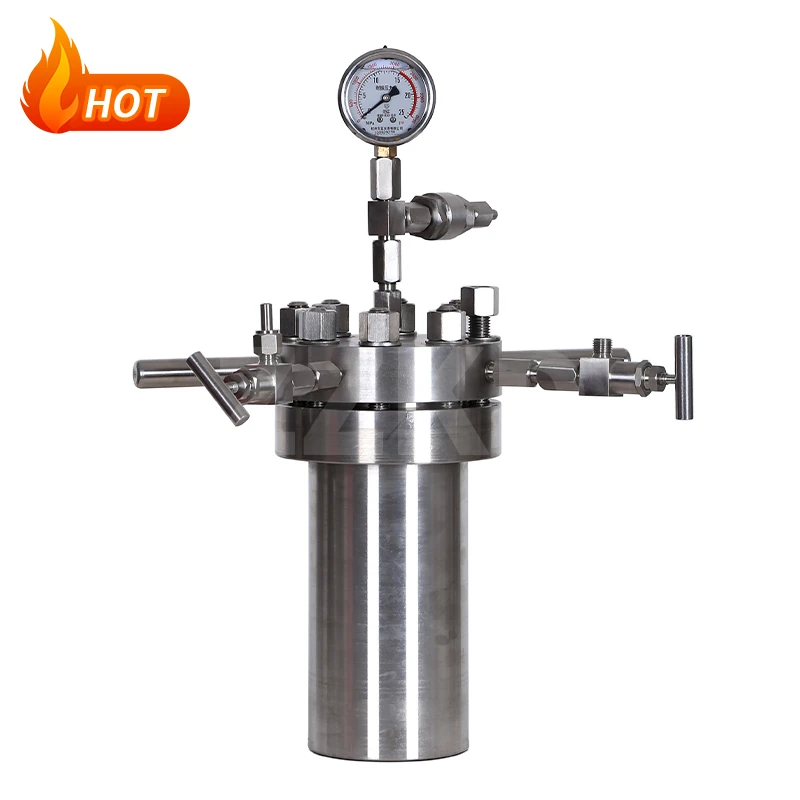
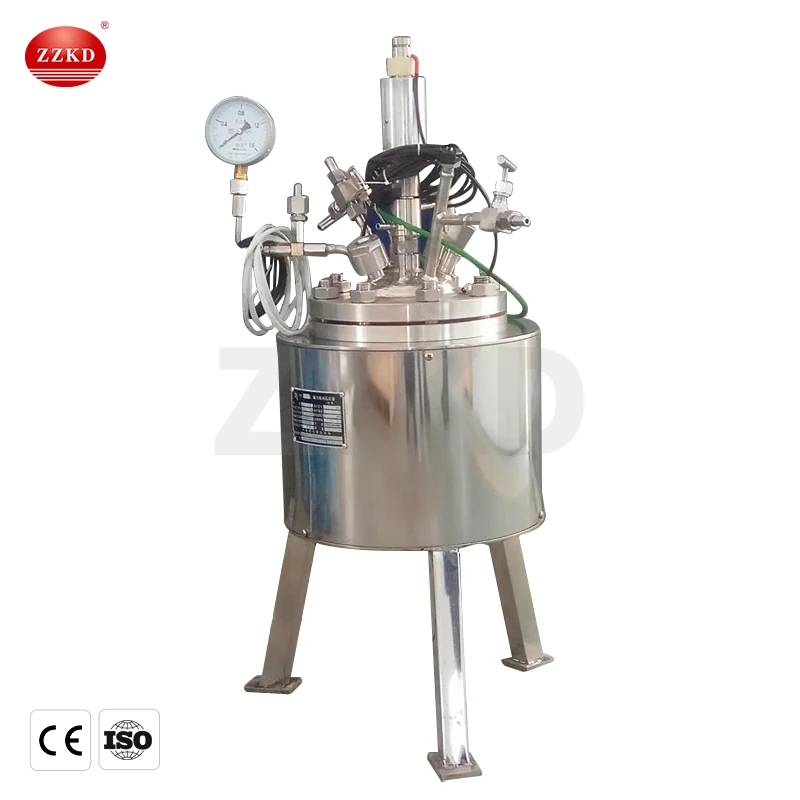
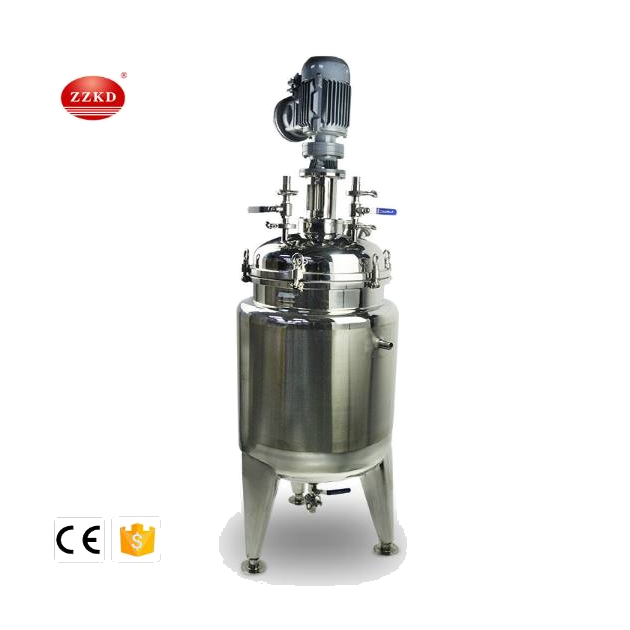
The stainless steel jacketed reactor has the characteristics of acid resistance, high temperature resistance, wear resistance and corrosion resistance. It is widely used in chemical, pharmaceutical, food and other industries.
Features:
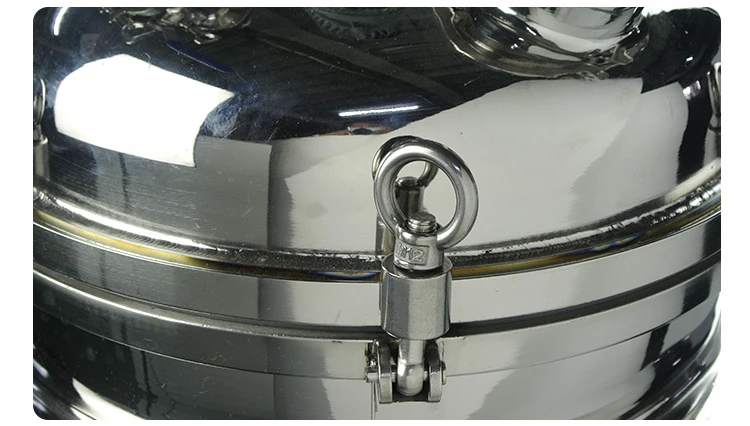
1. The fully enclosed design ensures that the material is always in a sterile state.
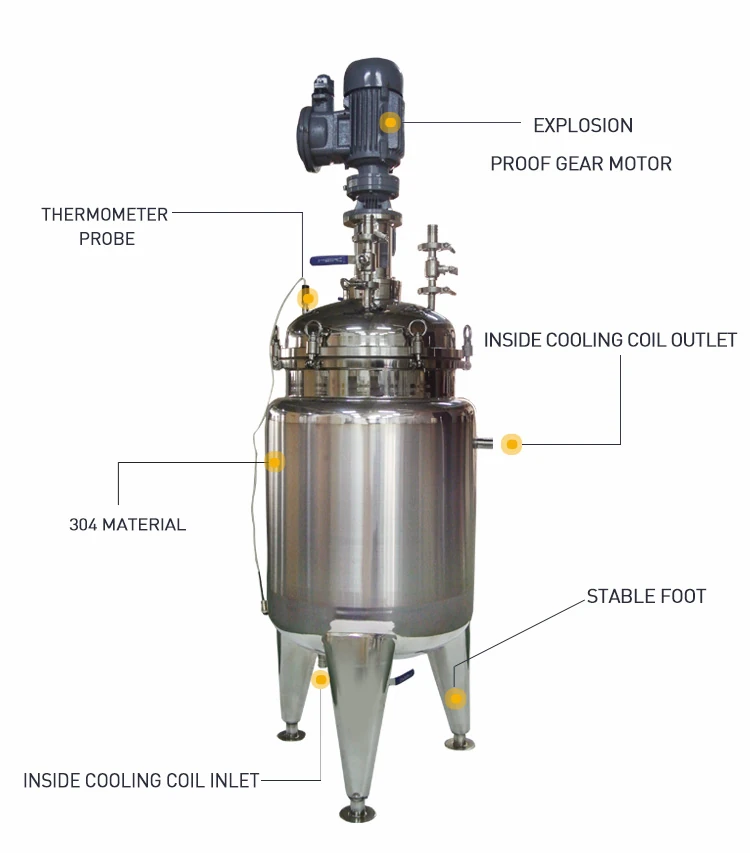
2. Made of 304 high quality stainless steel.
3. The inner surface is mirror polished, easy to clean.
4. The stainless steel jacketed reactor has a good heat transfer effect, and the heating and cooling speed is fast.
5. Good heat resistance, the temperature range can reach -196~600℃.
After sale:
Free maintenance for life
Technical engineers can receive overseas training
Remote technical consultation
Video guide installation
Free replacement of some accessories
Grouped equipment:
SHZ-C circulating water vacuum pump
DLSB low temperature coolant circulation pump
GYY circulating water (oil) bath
GDX high and low temperature integrated machine
FAQ:
1. What is the working principle of the stainless steel jacketed reactor?
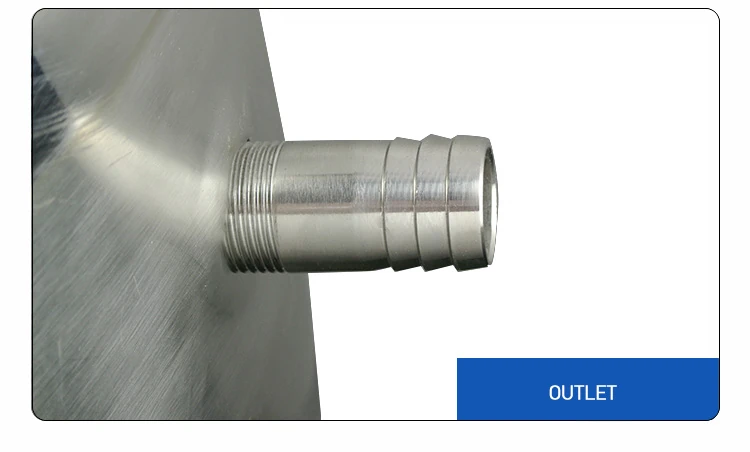
The reaction material can be put into the stainless steel reaction kettle for stirring reaction. Heating media or cooling media is injected through the interlayer of the stainless steel jacketed reactor to cool or heat the materials in the reactor. At the same time, the stirring reaction can be carried out under normal pressure or negative pressure. The evaporation and reflux of the reaction materials can be controlled. After the reaction is completed, the materials will be discharged from the discharge port at the bottom of the kettle.
2. What are the components of the stainless steel jacketed reactor?
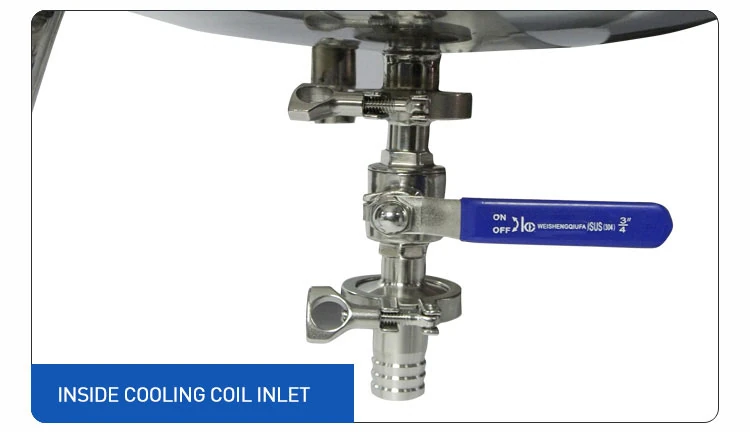
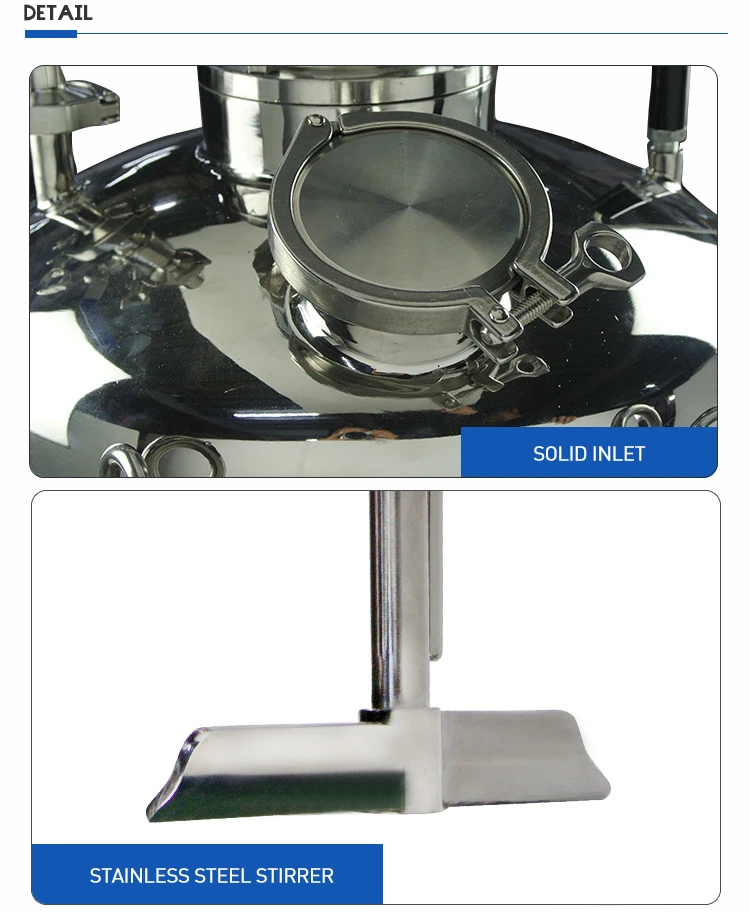
Reaction kettle body, power device, stirring device, heating device, sealing device.
3. What are the heating methods of the stainless steel jacketed reactor?
The heating method can be steam heating, electric heating, heat transfer oil heating, etc.